How Astrology Works: A Beginner’s Guide
Table of Contents
How Astrology Works: A Beginner’s Guide
Astrology is an ancient practice that has fascinated humans for thousands of years. It is the study of how the positions and movements of celestial bodies—such as the sun, moon, planets, and stars—can influence human behavior, personality, and even life events. While astrology is often viewed as a form of entertainment, many people use it as a tool for self-reflection and guidance. In this guide, we will explore the basics of astrology, how it works, and how you can begin your journey as a beginner.
Understanding the Basics of Astrology
At its core, **astrology is based on the idea that there is a relationship between the macrocosm (the universe) and the microcosm (human beings).** Astrologers believe that the alignment of planets and stars at the moment of your birth shapes your personality, tendencies, and even your destiny. This is often represented through your **birth chart**, also called a natal chart.
The Zodiac Signs
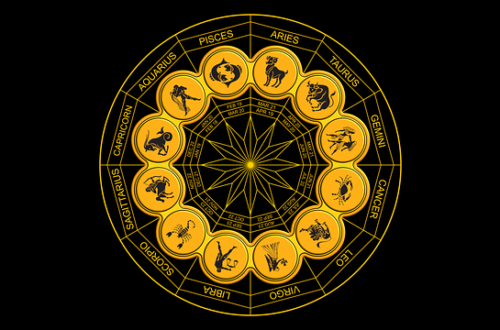
One of the most well-known aspects of astrology is the **zodiac signs**. The zodiac is divided into 12 signs, each associated with specific personality traits, strengths, and weaknesses. Here is a brief overview:
- Aries (March 21 – April 19): Energetic, ambitious, and confident.
- Taurus (April 20 – May 20): Reliable, practical, and patient.
- Gemini (May 21 – June 20): Adaptable, curious, and sociable.
- Cancer (June 21 – July 22): Emotional, nurturing, and intuitive.
- Leo (July 23 – August 22): Charismatic, confident, and generous.
- Virgo (August 23 – September 22): Analytical, meticulous, and practical.
- Libra (September 23 – October 22): Diplomatic, charming, and fair-minded.
- Scorpio (October 23 – November 21): Intense, passionate, and resourceful.
- Sagittarius (November 22 – December 21): Adventurous, optimistic, and independent.
- Capricorn (December 22 – January 19): Disciplined, responsible, and ambitious.
- Aquarius (January 20 – February 18): Innovative, humanitarian, and intellectual.
- Pisces (February 19 – March 20): Compassionate, imaginative, and sensitive.
Each sign falls under one of four **elements**—Fire, Earth, Air, and Water—which further influences their characteristics. For example, fire signs (Aries, Leo, Sagittarius) are passionate and energetic, while water signs (Cancer, Scorpio, Pisces) are emotional and intuitive.
The Planets and Their Influence
In astrology, **planets represent different aspects of our personality and life experiences**. The positions of these planets at the time of your birth are mapped onto your birth chart to understand your tendencies and behaviors. Here’s a basic guide:
- Sun: Represents your core identity and ego.
- Moon: Reflects your emotions, instincts, and subconscious.
- Mercury: Governs communication, intellect, and reasoning.
- Venus: Influences love, relationships, and aesthetics.
- Mars: Represents energy, ambition, and drive.
- Jupiter: Signifies growth, abundance, and optimism.
- Saturn: Relates to discipline, responsibility, and challenges.
- Uranus: Symbolizes innovation, rebellion, and sudden changes.
- Neptune: Governs dreams, intuition, and spirituality.
- Pluto: Represents transformation, power, and regeneration.
Each planet interacts with zodiac signs differently, creating complex dynamics that astrologers interpret to provide insights into your personality and life path.
The Birth Chart
Your **birth chart** is a snapshot of the sky at the exact moment of your birth, showing the positions of all planets in the zodiac signs. It is divided into **12 houses**, each representing different areas of life, such as career, relationships, family, and personal growth.
The combination of zodiac signs, planets, and houses provides a detailed understanding of your unique personality and potential life experiences. For example, having your Sun in Leo in the 10th house could indicate strong leadership qualities in your career, while a Moon in Pisces in the 4th house might suggest emotional depth and a strong connection to home and family.
Aspects: How Planets Interact
In astrology, **aspects** refer to the angles formed between planets on your chart. These angles reveal how different energies in your life interact. Common aspects include:
- Conjunction: Planets are close together, amplifying each other’s influence.
- Square: Planets are at a 90° angle, indicating tension or challenges.
- Trine: Planets are at a 120° angle, showing harmony and ease.
- Opposition: Planets are 180° apart, suggesting balance or conflict.
Understanding aspects helps astrologers interpret the dynamics of your personality and how you respond to life’s challenges.
Astrological Transits
Astrological transits are the ongoing movements of planets in the sky and how they interact with your natal chart. **Transits can indicate potential opportunities, challenges, and significant life events.** For example, a Saturn return, occurring roughly every 29.5 years, is often associated with major life changes and personal growth.
How to Get Started with Astrology
If you’re a beginner, here’s a simple roadmap to start exploring astrology:
- Know Your Sun, Moon, and Rising Signs: These three components are key to understanding your core personality, emotional tendencies, and outward behavior.
- Explore Your Birth Chart: Use an online calculator to generate your chart and study the positions of planets in the signs and houses.
- Learn About the Houses: Each house represents a specific area of life, such as relationships, career, and personal growth.
- Understand Planetary Aspects: Study how planets interact in your chart to uncover personality dynamics and potential challenges.
- Follow Current Transits: Keep track of planetary movements and how they might affect your life to gain insight into timing and personal growth opportunities.
Tips for Beginners
- Approach astrology with curiosity and an open mind.
- Use astrology as a tool for self-reflection rather than a strict predictor of the future.
- Study one aspect at a time to avoid feeling overwhelmed.
- Journal your experiences and insights to see patterns over time.
Conclusion
Astrology is a vast and fascinating field that combines observation, symbolism, and personal reflection. By understanding your zodiac signs, planets, houses, and aspects, you can gain profound insights into your personality, relationships, and life path. While astrology may not provide absolute predictions, it offers a framework for self-discovery and understanding the cosmic influences at play in your life. **Whether you are seeking guidance, self-awareness, or simply a fun exploration, astrology can serve as a powerful tool to connect with the universe and yourself.**
Remember, astrology is as much an art as it is a science, and the more you study and observe, the deeper your understanding will become. Embrace the journey, and enjoy discovering the cosmic blueprint that makes you unique.